
Welcoming a grandchild into the world is a joyous occasion. When a grandchild is diagnosed with autism, grandparents find themselves on a unique journey, one that requires patience, understanding, and a willingness to learn and adapt.
Let’s explore the role of grandparents in the lives of autistic grandchildren, focusing on activities to strengthen relationships with them, navigate conversations to support their parents, and understand the diverse modes of learning.
Download your FREE guide on
5 Great Ways to Better Connect with Your Child with Autism
Strengthening bonds and building trust
Engaging in activities together can be a powerful way for grandparents of autistic grandchildren to foster connection and build trust.
While every child on the spectrum is unique, many thrive in environments that provide structure, routine, and sensory stimulation.
From arts and crafts to outdoor adventures, finding activities that align with a grandchild’s interests and sensory preferences can create opportunities for joyful moments and meaningful interactions.
Arts and crafts
Engaging in arts and crafts activities can be enjoyable and therapeutic for autistic grandchildren.
Whether painting, drawing, or crafting with clay, these activities allow self-expression and creativity while promoting fine motor skills and sensory exploration.
Nature walks
Spending time outdoors can offer a welcome escape from the hustle and bustle of daily life. Grandparents can take their autistic grandchildren on nature walks, exploring parks, gardens, and trails together.
Nature’s calming effect and the sensory richness of the outdoors can provide a soothing experience for children on the spectrum.
Sensory play
Many autistic children have unique sensory preferences and sensitivities.
Engaging in sensory play activities, such as playing with kinetic sand, water tables, or sensory bins filled with textured materials, can provide sensory input in a controlled and enjoyable way.
By participating in these activities alongside their grandchildren, grandparents create cherished memories and demonstrate their unconditional love and support.
Navigating conversations: Offering support and understanding
As grandparents, it’s natural to want to support our adult children as they navigate parenting challenges, especially when a grandchild has special needs. However, approaching the topic of support can be delicate.

Like what you’re reading?
UNLOCK FULL ACCESS (50%OFF)
Initiate a conversation
Begin by expressing your love and concern for your adult child and their family.
Let them know that you’re there to support them in any way you can and that you want to understand their needs and preferences when it comes to helping your autistic grandchild.
What kind of support would they like? Can you provide respite? What can we do to ensure consistency across the family and environments?
Offer practical support
Whether providing respite care, accompanying them to therapy appointments, or helping with household chores, grandparents can offer practical support to their adult children and grandchildren in many ways.
Educate yourself
Take the time to educate yourself about autism spectrum disorder, including its characteristics, strengths, and challenges.
By becoming informed, you can better understand your grandchild’s unique needs and provide more effective support.
Approaching these conversations with sensitivity and empathy can strengthen family bonds and foster a collaborative approach to supporting your autistic grandchild.
Nonetheless, your role as the grandparent is one of support, love, and respect.
Tailoring support to individual needs
Autistic children often have diverse learning styles and preferences, requiring personalized approaches to education and support.
Understanding the various learning modes can empower grandparents to support their grandchildren in meaningful ways.
Visual learners
Many autistic children are visual learners; they learn best through visual aids such as pictures, charts, and diagrams.
Grandparents can support visual learners by incorporating visual cues into activities and routines, such as picture schedules or visual timers.

Download your FREE guide on
The Benefits of Visual Supports for Autism
Auditory learners
Some autistic children excel in auditory learning environments, learning best through listening and verbal instruction.
Grandparents can support auditory learners by engaging in storytelling, listening to music, or playing auditory games that promote listening skills and comprehension.
Kinesthetic learners
Kinesthetic learners thrive in hands-on, experiential learning environments where they can engage their senses and physical movements.
Grandparents can support kinesthetic learners by incorporating tactile activities, movement breaks, and physical games into their time together.
By recognizing and embracing these different learning modes, grandparents can tailor their support to meet the needs and preferences of their autistic grandchildren, fostering a nurturing and empowering environment for growth.
The grandparent journey
Being a grandparent to autistic grandchildren is a journey filled with unique challenges but also rewards.
Grandparents can play a crucial role in their autistic grandchildren’s lives by engaging in meaningful activities, offering thoughtful support to their adult children, and understanding different learning styles.
These efforts help foster love, acceptance, and empowerment every step of the way.
This article was featured in June 2024 Stranger Danger: Autism Safety Spotlight
FAQs
Q: Can autism come from a grandparent?
A: Yes, autism has a genetic component, so traits linked to autism can be passed down from grandparents. While a grandparent may not be autistic themselves, they can carry genetic variations that increase the likelihood of autism in their grandchildren.
Q: What is the connection between autism and grandparents?
A: Grandparents often play a supportive role in the lives of autistic grandchildren, offering emotional, practical, and sometimes financial help to the family. In some cases, grandparents may recognize traits in themselves or their children that help them better relate to and understand the autistic child.
Q: Do autistic children love their grandparents?
A: Yes, autistic children can form deep, loving bonds with their grandparents, though they may express affection differently. With patience and understanding, strong relationships can grow through shared routines, interests, and consistent support.
References
Prendeville, P., & Kinsella, W. (2019). The role of grandparents in supporting families of children with autism spectrum disorders: A family systems approach. Journal of autism and developmental disorders, 49(2), 738-749. https://link.springer.com/article/10.1007/s10803-018-3753-0
Baena, S., Jiménez, L., Bejarano, S., & Hidalgo, V. (2024). Perceived Impact, Needs, and Resources of Grandparents of Children and Adolescents on the Autism Spectrum: A Qualitative Study. Journal of Autism and Developmental Disorders, 1-18. https://link.springer.com/article/10.1007/s10803-024-06537-6
Wang, M., dos Santos Jacinto, P. M., & Brito, J. L. (2025). Highlighting Grandparents’ Experience: Challenges and Tensions in the Upbringing of Children with Autism Spectrum Disorder (ASD). In Research-Based International Student Involvement: The Research-Tandem Model (pp. 87-110). Cham: Springer Nature Switzerland. https://link.springer.com/chapter/10.1007/978-3-031-78837-6_5
Lilakos, M. A. (2021). The Implications of Grandparent Caregivers Raising Grandchildren with Autism Spectrum Disorders (Doctoral dissertation, Capella University). https://search.proquest.com/openview/26817e91abe3dd6a084bb7c0a0a593a9/1?pq-origsite=gscholar&cbl=18750&diss=y
Trending Products

SENSORY4U Weighted Lap Pad for Kids...

HunnmingRe Weighted Lap Blanket 7lb...
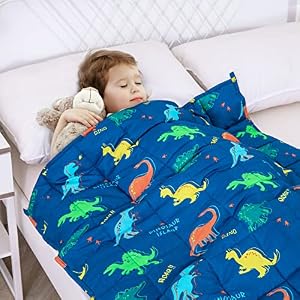
Kivik Weighted Blanket 3lbs, Blue D...

anfie Weighted Blanket Kids (36R...

Kidaddle 5lb Weighted Blanket (Grey...

HOSUKKO Weighted Blanket – 5 ...

yescool Weighted Blanket 5 Pounds C...

5lb Child’s Weighted Blanket ...

MAXTID Weighted Blanket for Kids 5l...