
Ever considered cannabis for autism? Here’s an introductory guide to assist in a potentially new, and somewhat daunting, journey.
Medical cannabis has gained its fair share of notoriety and praise in recent years. So what exactly is cannabis, and can it be used to help with symptoms of autism spectrum disorder (ASD)? In this article, we’ll explore the myriad of options available to patients and caregivers.
For anyone considering medical cannabis for the first time, I always recommend gathering some basic knowledge about the plant and the terminology used in the industry. Please note I am not a medical professional, I’m a mom who has given cannabis products a try and this is information I have gathered through my own research:
- Cannabis: (also called marijuana, pot, or weed) a genus, or family, of plants containing hundreds of components, uses, and strains. Human use of this plant dates back to at least the third millennium BC in written history, with a wide variety of uses, such as food and medicine, fiber and rope (primarily hemp), recreational use, and even religion
- Subspecies: there are two main types of cannabis plants, sativa and indica. There are also hybrids, which can be any combination of sativa and indica. Sativas are generally known for their uplifting, energizing effects and “head high.” Indicas are more commonly known for their full-body effects, along with more intense relaxation
- Strains: Each strain (or a specifically named variety) is identified by its unique chemical profile, appearance, flavors, medicinal benefits, and terpene profile. Except for most gummies/edibles, every product you purchase, regardless of consumption method, will be given a strain name
- Classification: by strain, by cannabinoid content (THC:CBD ratio), by administration method, or terpene content
- Cannabinoids and terpenes: Two popular components found in cannabis. Patients can select specific strains based on their profile, to help achieve the desired result. The most well-known cannabinoids are THC and CBD. Science has shown that using at least some THC in conjunction with CBD is the most effective method, called the “entourage effect”. Terpenes are aromatic oils that give cannabis strains their odor and color. Each terpene is responsible for key roles; some induce sleep, some some are uplifting, some are anti-inflammatory
- Consumption/delivery methods: there are typically four ways to consume cannabis: inhalation (smoking/vaping) which typically produces effects within minutes lasting up to several hours, topical (applied and absorbed directly to the skin using lotions/balms/oils; best for localized effects), sublingual (absorbed under the tongue with tinctures) which take effect within 30 minutes and last about four to six hours, and oral (ingesting edibles, elixirs, and tinctures) which can take 30-90 minutes for onset of effects and last the longest, upwards of nine hours
- Uses: cannabis can be used medically for a wide variety of conditions, including anxiety, cancer, autism, seizures, post-traumatic stress disorder (PTSD), chronic pain, Crohn’s disease, and much more
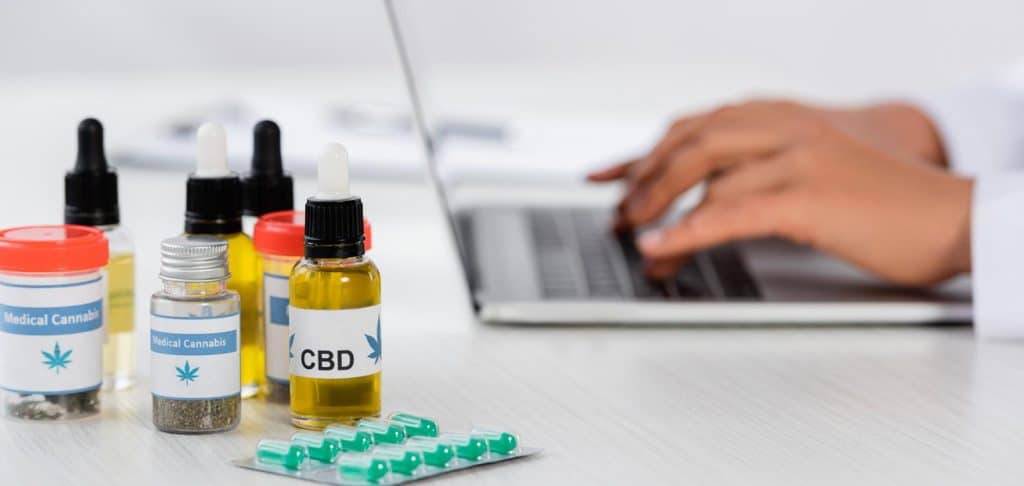
Legalities of medical cannabis
So, where do we start? You might ask. It can seem daunting, but with a little bit of research, patience, and perseverance, you can easily navigate the potential benefits provided by cannabis.
The first thing you want to determine is if medical cannabis is legal in your region. In the USA specifically, it is legal for medicinal purposes in 35 states. Getting your MMJ card (medical mary jane, as it’s called), is as simple as a quick Google search. This will provide the basic information needed to reach out to your local authority, as requirements differ for each state.
If you have a child as the patient, you’ll need to assign a caregiver. Your state’s agency will typically require you to see an approved medical professional first. You’ll discuss yours, or your child’s reason, for wanting to use medicinal cannabis.
Once approved, you’ll be notified by your state’s agency, and you’ll be able to visit any dispensary of your choice to pick up your medication. Entering a dispensary for the first time can feel intimidating, with so many options involved. Your “budtenders” are paid professionals who can help you decide where to start and with which medications. There are plenty of helpful websites to assist you; here is one article to help you get started.
Some benefits of cannabis for autism
Some of the possible benefits of cannabis can be improvement in inflammation, improved sleep, ease of anxiety, pain relief, appetite enhancement, and calming effects. Many ASD patients benefit largely from the sense of calm that cannabis can bring. There is currently an FDA-approved cannabis-derived drug, Epidiolex, used to treat seizures and epilepsy. Specific to autism, cannabis has been shown to help with learning and social interaction, aggressive outbursts, tics, depression, restlessness, and quality of sleep.
Micro-dosing is a term you’ll hear a lot in the medical cannabis world. The premise behind micro-dosing is to use the least amount of medicine necessary to achieve desired results. This often means there may be no head or body “high,” but cannabis is still offering benefits. The common theme in the medical cannabis field that you’ll hear repeatedly, is to “start low and go slow”.
Things to consider when starting to use cannabis
A suggested method to start with, when using cannabis, is tinctures. These are discreet, can be visibly dosed/controlled, and can be taken directly under the tongue or put in food or drinks. Tinctures generally have longer-lasting effects than smoking or vaping. Edibles are a good next step after tinctures because they are even longer-lasting and bypass any smoke, if that’s a concern. Edibles also provide easy, visible control of the amount of your doses.
Expect a lot of trial and error. Whether you’re the patient or the caregiver, get accustomed to some of the basic verbiage used, and keep a log to track which product you used and how it worked. It’s best to keep an open mind and prepare for a lot of experimentation. With enough research and patience, you’ll be equipped with the knowledge to begin your medical cannabis journey.
Trending Products

SENSORY4U Weighted Lap Pad for Kids...

HunnmingRe Weighted Lap Blanket 7lb...

Kivik Weighted Blanket 3lbs, Blue D...

anfie Weighted Blanket Kids (36R...

Kidaddle 5lb Weighted Blanket (Grey...

HOSUKKO Weighted Blanket – 5 ...

yescool Weighted Blanket 5 Pounds C...

5lb Child’s Weighted Blanket ...

MAXTID Weighted Blanket for Kids 5l...